

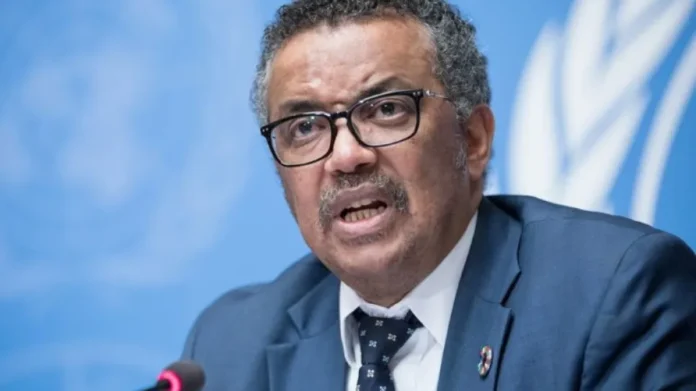
The World Health Organization (WHO) expressed on Tuesday its deep concern over reports that more than 70 health workers, along with some 5,000 civilians, have been forcibly detained in the city of Nyala, the capital of South Darfur State.
The city has been under the control of the Rapid Support Forces (RSF) since the early months of the war that erupted in Sudan in 2023. The RSF has established Nyala as the seat of its self-declared government, which faces widespread local and international opposition.
WHO Director-General Tedros Adhanom Ghebreyesus said in a post on X (formerly Twitter) that those detained were being held in harsh and unsanitary conditions, with reports of disease outbreaks. He noted that the situation is further complicated by ongoing insecurity in the area.
Tedros emphasized that the detention of health workers and civilians constitutes a serious violation of human rights, calling for the immediate and unconditional release of all detainees and underscoring the need to ensure their protection at all times.
The organization added that it is working to gather more information about the detentions and the condition of those being held to enable a rapid and effective response.
According to data from the Sudanese Doctors Network, the RSF is holding more than 19,000 people in Dagaris and Kober prisons and several other detention sites across the Darfur region. The detainees reportedly include 73 medical personnel as well as large groups of civilians and uniformed officers.
The network stated that these detentions are taking place in conditions lacking basic humanitarian and legal standards, with detainees being denied fundamental rights, including access to medical care.
It also reported the spread of infectious diseases in the prisons, including cholera, due to overcrowding, poor sanitation, and the absence of medical isolation. Severe shortages of medicines, clean water, and food have led to an average of more than four deaths per week among detainees.
The Doctors Network warned that the situation is worsening because of the shortage of qualified staff and the inability to transfer critical cases to hospitals, reflecting the severe risks to public health and human rights in detention facilities across the region.

