

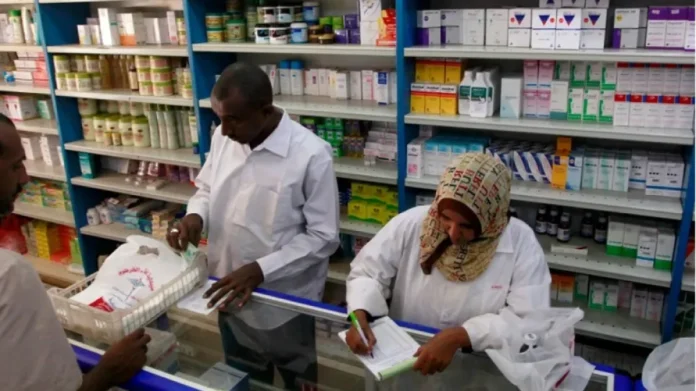
Khartoum – The Sudan Doctors’ Network said that the National Medical Supplies Fund (NMSF) has suffered losses exceeding $500 million since the outbreak of the conflict, including the destruction and looting of warehouses, loss of medical transport fleets, and damage to administrative offices.
In a statement issued Tuesday, December 30, 2025, the network said that despite these severe losses, the fund showed signs of partial recovery in 2025, achieving 80% pharmaceutical coverage and 88% drug availability, compared to less than 40% the previous year.
According to a recent report prepared by the network, the fund distributed around 24,288 tons of medicines and medical consumables through national supply channels, grants, and donations during 2025 — a significant increase from less than 10,000 tons in 2024. Cumulative imports since the war began have exceeded 51,967 tons.
The distribution covered more than 400 hospitals and 2,774 health centers and family health units across 12 states, compared to just 115 hospitals and 670 centers a year earlier.
The report added that the fund continued to provide free treatment program supplies through the revolving drug system, covering emergency care, cancer treatment, kidney transplants and dialysis, blood transfusion, and cardiac surgeries, with a total value of SDG 111 billion between January and November 2025 up from SDG 73 billion in 2024 despite shortages and service suspensions at several centers.
The network said that medical equipment and devices worth SDG 20.5 billion (around US$9.8 million) were distributed to 80 health facilities across 13 states, though this figure remains insufficient given the widespread shutdown of medical institutions during the conflict.
Criticism of Centralized Management
The Sudan Doctors’ Network said the report held the NMSF administration directly responsible for worsening losses and deepening the healthcare crisis due to its failure to implement alternative or emergency response plans since the war’s onset. The persistence of centralized supply and storage policies, the report noted, prevented the strategic redistribution of medicines to safer states.
These shortcomings, it added, exposed the fragility of Sudan’s national drug reserve system, leading to the loss of vast quantities of medicines following attacks on storage sites, delays in establishing alternative facilities, and a slow security response all of which contributed to acute shortages of life-saving drugs during critical periods.
The report stressed that the fund’s recent return to its Khartoum headquarters and the rehabilitation of limited storage facilities are belated measures that fall short of addressing the crisis. It called for comprehensive reforms, including decentralization of distribution, clear emergency strategies, and accountability for administrative failures, emphasizing that the fund represents Sudan’s largest strategic drug reserve and the first line of defense for citizens’ right to medical treatment.
Sudan’s healthcare system including medical supply networks has suffered catastrophic losses since fighting erupted on April 15, 2025 between the Sudanese Armed Forces (SAF) and the Rapid Support Forces (RSF).
In a previous report issued in August 2025, the network estimated overall health sector losses at more than US$14 billion due to the conflict.

