


The United Nations Commission on Human Rights in South Sudan has warned that the country is on the verge of a new all-out war amid escalating political violence and institutional collapse. It urged the international community to take urgent action to prevent the near-total breakdown of the fragile political transition.
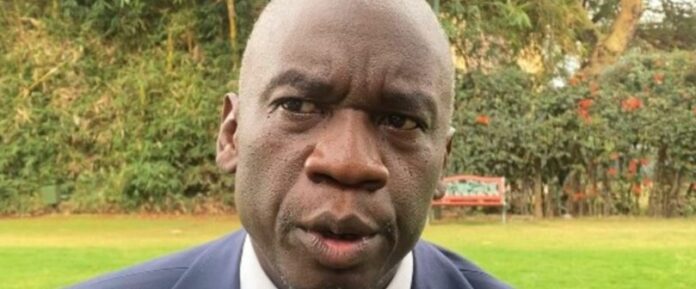
During a session before the UN General Assembly, Commissioner Barney Afako issued a stark warning, noting that the 2018 peace agreement—once viewed as a path toward stability—was now unraveling under renewed fighting, political detentions, and airstrikes targeting civilian areas. He told the Third Committee that the political transition is collapsing and the ceasefire no longer holds, as arrests are being systematically used for repression in clear violation of the peace deal’s key provisions, exposing the country to another deadly conflict.
The UN Commission reported that armed clashes in South Sudan have reached their highest levels since 2017, driven by deep political rivalries, entrenched ethnic tensions, and longstanding local grievances. Recent cabinet reshuffles and partisan appointments have further eroded trust among signatories to the peace deal, while some national actors have exploited local violence for military and political gains. Since March, the escalation has displaced more than 370,000 civilians, with 2.5 million South Sudanese now refugees in neighboring countries and another two million internally displaced.
Civilian Suffering
Commission Chair Yasmin Sooka stressed that the suffering of the South Sudanese people is not a byproduct of conflict but a direct result of prolonged political failure. She said civilians are being bombed, women are subjected to sexual violence, and children are forcibly recruited, while communities live in daily terror. Describing the conflict as “man-made and preventable,” Sooka called on the UN and African Union to intensify efforts to address what she called “a crisis rooted in governance failure and impunity.” She added that peace “cannot be achieved through slogans and handshakes, but through concrete action that protects civilians and ends impunity.”
In its latest report submitted to the Human Rights Council in February, the Commission documented an escalation of conflict and continued arbitrary detentions of opposition leaders by the National Security Service despite government pledges to curtail its powers. The report also cited widespread sexual violence, child recruitment, and extrajudicial executions, reflecting a severe deterioration in human rights and a lack of meaningful reform.
Systemic Corruption
Commissioner Carlos Castresana Fernández emphasized that corruption is not a mere byproduct of war but one of its key drivers. He said billions of dollars in oil revenues are being siphoned off while citizens go hungry, hospitals lack medicine, schools lack teachers, and soldiers go unpaid as the political elite grows wealthier. He referred to the Commission’s September report, titled “Looting a Nation,” which detailed how pervasive corruption has fueled rights violations and deprivation by channeling oil revenues into conflict rather than development.
At the conclusion of the session, the Commission urged the UN, African Union, and regional partners to expedite the establishment of the Hybrid Court for South Sudan and to intensify diplomatic efforts to include all factions—both within and outside the current peace framework—in a credible political process. Sooka said the people of South Sudan “cannot endure another collapse,” stressing that justice and accountability must no longer remain deferred promises. She called on the international community to move from words to coordinated action that ends abuses and rebuilds institutions that serve the people, not the powerful.