

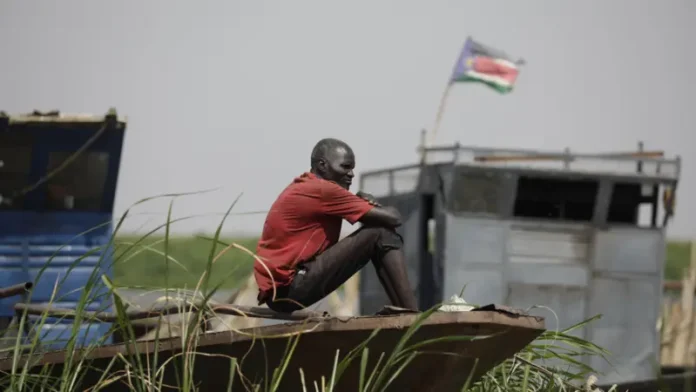

Renewed fighting has erupted in South Sudan, leaving hundreds dead and displacing more than 180,000 people, as the United Nations warns of an imminent risk of “widespread ethnic conflict” engulfing the country once again.
Al-Yurae
The escalating violence, centered in Jonglei State, pits forces loyal to President Salva Kiir against those aligned with his former deputy Riek Machar, who has been under house arrest since March 2025 on charges of crimes against humanity.
Military Offensive and Orders to ‘Crush the Rebellion’
Army chief Paul Majok Nang has ordered troops to “crush the rebellion within seven days.” Witnesses told the BBC of indiscriminate barrel bomb attacks that forced civilians to flee into the swamps for safety.
UN-appointed experts sounded the alarm on Sunday, warning of “collective violence against civilians” and “large-scale ethnic mobilization,” citing inflammatory rhetoric from military officials and increased troop movements.
Civilians Trapped in Fear and Hunger
Daniel Deng, a 35-year-old displaced resident of Duk County, told Agence France-Presse:
“I am trapped. If things get worse, the only safe place left for me is the swamps.”
He described “intense fighting” last week when opposition forces briefly seized his area before being pushed back. Deng estimated that “around 300 fighters were killed,” though the figure could not be independently verified. He added that “most people now live under trees; their homes have been looted, clinics burned, and hunger is spreading.”
Collapse of the Power-Sharing Deal
The renewed conflict effectively marks the collapse of the fragile 2018 peace accord between Kiir and Machar. Provisions for elections and unifying rival forces were never implemented, laying the groundwork for today’s violence.
Humanitarian Disaster Unfolds
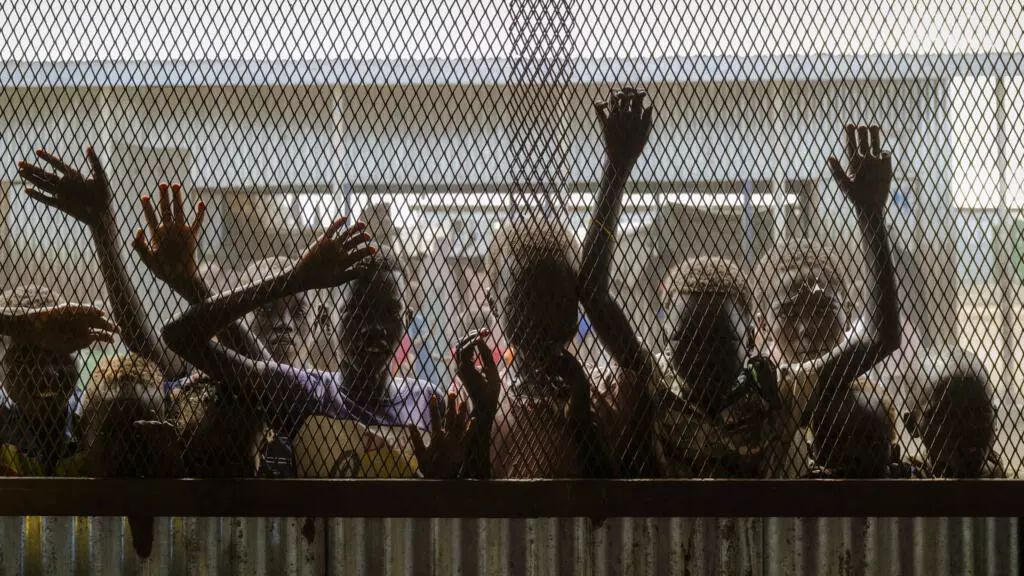
According to the UN Office for the Coordination of Humanitarian Affairs (OCHA), over 180,000 people have been displaced across four counties in Jonglei. Looting and attacks on humanitarian assets by both sides have forced the suspension of essential health services.
From Médecins Sans Frontières (MSF), operations director Gul Badshah warned of a “catastrophic supply shortage”:
“We don’t have the supplies… children will die. It’s that simple.”
Airstrikes and Barrel Bombs
Non-governmental sources said that the government launched retaliatory airstrikes in Beri using barrel bombs against civilian areas. Explosions were reported near medical facilities, prompting mass displacement toward Bor, the state capital.
Civil society leader Paul Deng Bol said large parts of Jonglei were declared “red zones,” cutting off aid and air access entirely. “Both sides are mobilizing,” he added. “The escalation seems imminent.”
Corruption is the Word in a Country Rich in Oil, Poor in Lives
Despite holding vast oil reserves, South Sudan remains among the poorest nations in the world, crippled by corruption and mismanagement. The World Food Programme estimates that 7.7 million of the 12 million population suffer from extreme hunger.
The UN Human Rights Commission in South Sudan cited corruption as the “key driver behind ongoing humanitarian and economic suffering,” worsened by severe cuts to foreign aid.
From Independence to Endless War
Having gained independence from Sudan in 2011, South Sudan plunged into a brutal civil war (2013–2018) that left approximately 400,000 people dead and four million displaced. The 2018 peace deal brought temporary calm — but unfulfilled promises have reignited old divisions.
Rising Tensions and Global Concern
Prominent opposition leader Wesley Wilibi Samsona on Monday called for a protest in Juba to demand the “removal of the regime hostile to peace.” UN Human Rights Commissioner Barney Afako warned in a statement:
“What we see in Jonglei is not an isolated incident but a dangerous escalation spreading across the country.”
With clashes reported also in Upper Nile and Central Equatoria, South Sudan appears to be sliding back toward national collapse, where civilians seek safety not in homes or shelters but in the swamps, their final refuge from both bombs and hunger.